Summary Highlights:
- BJJ develops functional strength and engages multiple muscle groups simultaneously.
- Controlled sparring and drills improve endurance, grip, and core stability.
- Consistent practice combined with proper nutrition and recovery promotes lean muscle growth.
- Training three days a week can build strength while improving skill, confidence, and self-defense ability.
Brazilian Jiu Jitsu is more than just a martial art; it’s a full-body workout that engages multiple muscle groups simultaneously. At Arizona Combat Sports, we’ve seen firsthand how training in both Gi and No-Gi BJJ activates the core, arms, back, and legs through positions like guard, mount, side control, and back control. Every movement—whether a sweep, pass, or submission attempt—requires strength, balance, and coordination. This repeated muscular engagement is excellent for functional strength, meaning the kind of power you use in real-world situations or sports.
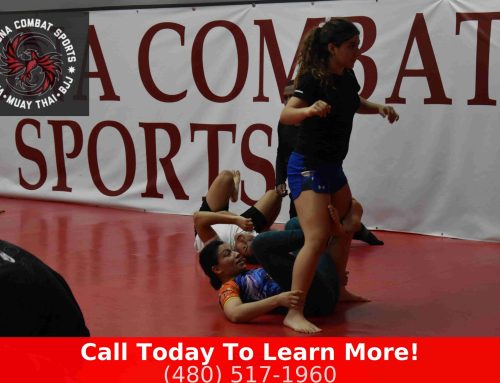
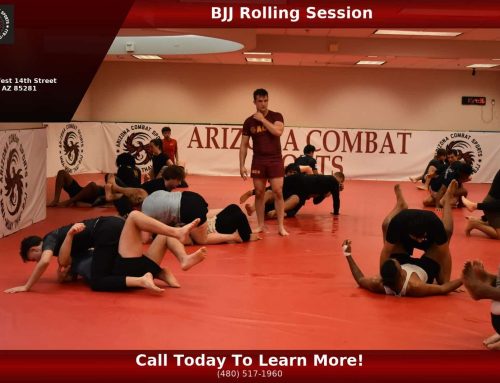
Even controlled sparring, or rolling, challenges your muscles in unique ways. Unlike traditional weightlifting, BJJ uses your body weight as resistance, pushing your endurance, grip strength, and stabilizing muscles to their limits. Over time, consistent training improves muscle tone, particularly in the upper body and core, while enhancing flexibility and joint mobility.
Can You Build Significant Muscle from BJJ Alone?
While BJJ training strengthens and tones muscles, building significant mass depends on factors such as training intensity, frequency, nutrition, and recovery. At Arizona Combat Sports, our programs are structured to develop strength while teaching technique, but BJJ alone may not produce the same hypertrophy as a structured resistance training program. However, many students experience visible lean muscle development, improved posture, and better overall athleticism simply by training three to five times per week.
The unique benefit of BJJ is the functional growth of muscles. Unlike isolated gym exercises, grappling requires simultaneous engagement of stabilizers and prime movers. Moves like armbars, triangle chokes, and sweeps not only teach self-defense but also strengthen muscles in practical, real-world patterns. For those seeking both fitness and self-defense, BJJ offers a comprehensive approach to muscular development.
How Do Sparring and Drills Contribute to Strength?
Sparring is one of the most effective ways to develop endurance and muscular resilience in BJJ. Every roll forces your body to react under pressure, applying strength dynamically rather than statically. Drills—whether practicing guard passes, positional escapes, or submissions—allow you to repeat movements efficiently, reinforcing proper mechanics while building strength and muscle memory.
At Arizona Combat Sports, we integrate controlled sparring and structured drills to ensure students can improve strength without risking injury. Over time, these movements enhance grip strength, core stability, and explosive power, all essential for both competition and self-defense scenarios. For adults and kids alike, consistent engagement in these activities promotes not only skill but measurable improvements in muscle endurance and body control.
Is Nutrition and Recovery Important for BJJ Muscle Growth?
Yes. Even though BJJ engages your muscles, nutrition and recovery play a critical role in building visible muscle. Protein intake, caloric balance, and adequate sleep are crucial to allow your muscles to repair and grow after each session. At Arizona Combat Sports, we often advise students to combine BJJ with basic strength or conditioning routines and a healthy diet to maximize results. Consistent training three days a week can yield lean, toned muscle, but combining BJJ with proper nutrition and recovery ensures you don’t just get stronger—you get fitter, healthier, and ready for both competition and real-life scenarios.
Can Kids Build Muscle Through BJJ?
Absolutely. Our Kids Jiu Jitsu program helps children develop strength, coordination, and confidence while learning self-defense. Training three days a week allows kids to practice grappling techniques, control their bodies in dynamic movements, and develop functional strength safely. Beyond muscle, children gain focus, discipline, and assertiveness in a positive environment, laying the foundation for both physical and mental growth.
Should You Supplement BJJ With Other Strength Training?
While BJJ is excellent for functional strength and lean muscle development, combining it with weight training or bodyweight exercises can accelerate muscle growth. At Arizona Combat Sports, we encourage students to focus on technique first, then integrate resistance training, conditioning, and flexibility routines as needed. This combination ensures you gain muscle without compromising skill development or increasing the risk of injury.
Why BJJ Is More Than Muscle
It’s important to remember that BJJ isn’t just about building muscle—it’s about functional fitness, self-defense, and mental toughness. Every roll improves endurance, problem-solving, and fight IQ, which are as crucial as physical strength. Even students training three days a week can achieve noticeable strength gains, better posture, and enhanced overall athleticism while learning one of the most effective self-defense systems in the world.
Start Building Muscle and Strength with BJJ at Arizona Combat Sports
If you’re ready to build muscle, increase functional strength, and improve your self-defense skills, start your Brazilian Jiu Jitsu journey with us at Arizona Combat Sports. Our structured classes in both Gi and No-Gi BJJ are designed around a clear BJJ development and timeline, giving beginners and experienced students a safe, supportive environment to progressively build strength, endurance, and confidence without guesswork. Call us today at (480) 517-1960 to schedule your first class and experience how consistent BJJ training—aligned with a proven development path—can transform your body and skills over time.
FAQs About Brazilian Jiu Jitsu
25+ Years in Tempe
Why Trust AZ Combat Sports
For more than 25 years, Arizona Combat Sports has trained complete beginners, kids, ASU students, first responders and professional fighters at one location: 1425 West 14th Street in Tempe. Here's what has kept the East Valley coming back.
-
Founded & Run by Fighters
Founded by Trevor Lally and led today by partners who have competed at a high level, including former pro fighter and MMA head coach Trevor Smith.
-
Black Belt Instruction
BJJ head coach Steve Rosenberg is a second-degree black belt under Nova União and has coached at ACS for more than 15 years.
-
Proven With Competitors
An active fight team of amateur and pro athletes, with students competing in IBJJF tournaments, submission-only events and MMA.
-
Safety First, Always
Every class is supervised, sparring is always optional, mats are sanitized multiple times a day, and youth instructors are background-checked.
-
Zero-Ego Culture
Beginners train next to experienced fighters in a team-first room. Most members walk in with no martial arts background at all.
-
No Contracts, No Surprises
Month-to-month memberships with no sign-up fees. Try one free class per discipline before you commit to anything.
"I've trained at this gym for four years doing BJJ and I can't recommend it enough."
Anthony, Google review of Arizona Combat Sports