
Training Martial Arts in Arizona Summer Heat: Hydration, Recovery, and Performance
Key Takeaways:
- Training martial arts during Arizona’s summer heat is safe when done indoors with proper hydration and recovery protocols — but outdoor or uncontrolled environments carry real physiological risks.
- Arizona’s extreme heat demands more aggressive hydration than most states, including pre-training electrolyte loading and careful water intake before, during, and after every session.
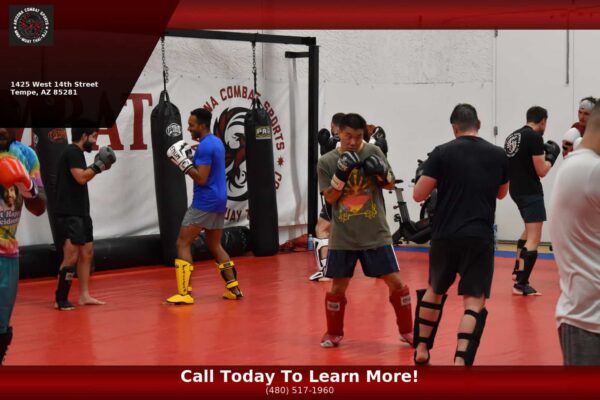
- Arizona Combat Sports trains in a climate-controlled facility, so your performance, technique, and progress stay consistent whether it’s June or January.
Yes, training martial arts in Arizona’s summer heat is safe — provided you train indoors in a climate-controlled environment, arrive well-hydrated, and follow a deliberate recovery plan. The risk is real but manageable. Ignore the heat, and your performance drops fast. Respect it, and you can train hard through July, August, and September without missing a beat.
Arizona’s summer is not a metaphor. From late June through mid-September, the Phoenix metro regularly sees temperatures above 110°F outdoors. In 2026, the region will have already recorded multiple consecutive days above 112°F. For grapplers, strikers, and martial arts students across Tempe, Phoenix, Chandler, Mesa, and Gilbert, this creates a specific set of challenges that generic fitness advice does not address.
This guide breaks down exactly what heat does to your body during martial arts training and what you can do about it. Check out our martial arts schedule to find a class time that works for you and start training today.
How Extreme Heat Affects Martial Arts Performance
Heat does not just make you uncomfortable. It changes how your body functions during training, directly affecting combat sports performance.
Your resting heart rate rises when ambient temperature climbs. That baseline increase means you hit higher heart rate zones faster during drilling, sparring, or grappling. A round of wrestling that feels moderate in January can push you to your aerobic ceiling in August, and recovery between rounds slows significantly. You fatigue earlier, and the fatigue compounds across a session.
Sweat loss creates specific problems for martial artists that do not apply to, say, cyclists. In gi training, excessive sweat saturates the collar and sleeves, changing how grips break and how the fabric moves. In no-gi, sweat on the skin reduces friction and alters takedown entries, underhook control, and clinch positions. Slippery conditions are not just annoying — they change the technique required and introduce technique errors that can become habits.
There is also a cognitive component that gets overlooked. Heat impairs reaction time and decision-making. Research published in the International Journal of Hyperthermia has documented reduced cognitive processing speed under thermal stress. In combat sports, timing and pattern recognition are skill sets, not reflexes. A slight delay in reading a shot, anticipating a sweep, or processing a feint is the difference between defending and getting caught. That cognitive slowdown is real, and it happens before you notice you are hot.
Dehydration compounds every one of those effects — and it carries over to the next day. A student who trains on Tuesday afternoon loses two to three liters of sweat without fully replacing fluids and electrolytes, sleeps poorly because of the heat, and walks into Wednesday’s session already behind. That cycle, repeated throughout a summer training week, leads to chronic underperformance and an elevated risk of injury.
Hydration Protocol for Arizona Martial Artists
Most hydration advice is written for temperate climates. Arizona’s summer heat profile is more aggressive, and your approach needs to match.
Here is a practical framework:
- Before training: Drink 20–24 oz of water two hours before your session. In the 30 minutes before you step on the mat, add another 8–12 oz. If you have been sweating during your commute or working outdoors, add electrolytes to that pre-session drink — not just water.
- During training: Aim for 6–8 oz every 15–20 minutes of activity. During hard sparring or grappling, your sweat rate can exceed one liter per hour. Waiting until you feel thirsty means you are already behind.
- After training: Weigh yourself before and after a session if you want a precise target. Every pound of body weight lost equals approximately 16 oz of fluid that needs to be replaced. For a 90-minute grappling session in summer, losing two to three pounds is common.
Electrolyte balance matters more in Arizona than in most states for a specific reason: prolonged sweating depletes sodium, potassium, and magnesium at a rate that plain water cannot address. Replacing fluid volume without replacing electrolytes leads to hyponatremia — dangerously low sodium — which produces symptoms that mimic dehydration: headache, nausea, and muscle cramping. Use an electrolyte supplement or electrolyte-containing drink as part of your post-training recovery, especially after sessions longer than 60 minutes.
Common Summer Training Mistakes
These are the patterns that derail Arizona martial artists during the summer. Recognizing them is the first step to avoiding them.
- Training dehydrated: Skipping water in the hours before class because you “forgot” or were busy creates a deficit you cannot recover from mid-session.
- Relying on energy drinks: Pre-workout stimulants and caffeinated energy drinks have diuretic effects. Drinking them without matching water intake accelerates fluid loss during training.
- Outdoor or unshaded training at midday: Drilling, running, or doing conditioning work outside between 10 a.m. and 4 p.m. in Arizona summer is genuinely dangerous. The heat index in direct sun can reach 120°F or higher. Reserve outdoor activity for early morning or evening.
- Ignoring warning signs: Dizziness, nausea, stopping sweating when you should be sweating, and sudden chills during exercise are signs of heat exhaustion progressing toward heat stroke. Stop training immediately, move to a cool environment, and drink fluids if symptoms are in the early stages.
If you are looking for a productive summer activity? Explore our kids martial arts Arizona program and book a free trial today.
Recovery in Extreme Heat
Recovery is where summer gains or loses its value. Heat adds a recovery tax on top of normal training stress, and managing that tax is what separates students who improve through summer from those who stall or get hurt.
Sleep quality drops when ambient temperatures stay high overnight. Arizona summer nights rarely cool below 90°F, and a warm bedroom environment reduces deep sleep quality even if total sleep hours look adequate. Prioritize a cool sleep environment — air conditioning set to a temperature that allows genuine rest, not just tolerable discomfort.
Shade and passive cooling between sessions matter more than most students expect. Spending the hours between morning and evening training in direct sun or in a hot vehicle raises your pre-session core temperature before you ever step on the mat.
Managing training intensity across the week is critical. A training week with five hard sessions is appropriate in January. The same volume in August, with compounding heat stress and impaired recovery, can push the body into overtraining faster than you expect. Consider structuring summer weeks with two to three high-intensity sessions and one to two technique-focused or lighter drilling sessions. Consistency across twelve weeks of summer beats two weeks of hard training followed by two weeks of forced rest. Escape the heat and experience the difference—book your free trial class today.
Why Indoor Training at ACS Protects Your Progress
The cleanest solution to Arizona’s summer heat in martial arts training is simple: remove the heat variable entirely.
Arizona Combat Sports trains in an indoor, climate-controlled facility. The mat temperature is consistent regardless of what the Phoenix metro is doing outdoors. Your heart rate baseline stays where it should be. Grip conditions stay predictable. Your cognitive function stays sharp. The physiological effects described above — elevated heart rate, accelerated fatigue, cognitive slowdown — apply to training in uncontrolled heat environments, not to a properly air-conditioned gym.
That consistency matters for skill development. Technique builds on repetition, and repetition requires controlled conditions. A student who trains at ACS through July, August, and September accumulates real skill. A student training in a sweltering garage gym or pushing through outdoor conditioning in midday heat is fighting the environment more than they are training.
The summer heat is part of living in Arizona. It does not have to be part of your training experience.
Come in, escape the heat, and train. Your technique does not take a summer off — and with the right environment and the right protocol, neither do you. Train consistently in any season with our BJJ classes in Tempe and keep progressing year-round.
Frequently Asked Questions About Martial Arts Training in Summer
Sources
- Cognitive performance and heat stress — “Effects of heat stress on cognitive performance,” International Journal of Hyperthermia, PubMed: https://pubmed.ncbi.nlm.nih.gov/23668783/
- Hyponatremia and exercise-related fluid replacement — National Institutes of Health / MedlinePlus: https://medlineplus.gov/ency/article/000394.htm
- Heat-related illness overview and warning signs — Centers for Disease Control and Prevention (CDC): https://www.cdc.gov/niosh/topics/heatstress/heatrelillness.html
- General hydration guidelines for exercise — American College of Sports Medicine Position Stand on Exercise and Fluid Replacement: https://www.acsm.org/docs/default-source/files-for-resource-library/fluid-replacement-and-heat-stress.pdf
25+ Years in Tempe
Why Trust AZ Combat Sports
For more than 25 years, Arizona Combat Sports has trained complete beginners, kids, ASU students, first responders and professional fighters at one location: 1425 West 14th Street in Tempe. Here's what has kept the East Valley coming back.
-
Founded & Run by Fighters
Founded by Trevor Lally and led today by partners who have competed at a high level, including former pro fighter and MMA head coach Trevor Smith.
-
Black Belt Instruction
BJJ head coach Steve Rosenberg is a second-degree black belt under Nova União and has coached at ACS for more than 15 years.
-
Proven With Competitors
An active fight team of amateur and pro athletes, with students competing in IBJJF tournaments, submission-only events and MMA.
-
Safety First, Always
Every class is supervised, sparring is always optional, mats are sanitized multiple times a day, and youth instructors are background-checked.
-
Zero-Ego Culture
Beginners train next to experienced fighters in a team-first room. Most members walk in with no martial arts background at all.
-
No Contracts, No Surprises
Month-to-month memberships with no sign-up fees. Try one free class per discipline before you commit to anything.
"I've trained at this gym for four years doing BJJ and I can't recommend it enough."
Anthony, Google review of Arizona Combat Sports


